AI and creative writing

A creative writer draws on a unique set of experiences and responses to existence. Their imaginative and experimental approaches are original, shaped by their culture. When we write, this is what we share with the world.
AI LLMs (large language models), such as ChatGPT or Claude, can generate stories in the guise of creative writing. It's not unlike using a calculator, which provides answers without the mind fully engaging in the thinking and reasoning processes that develop, strengthen, and maintain maths skills.
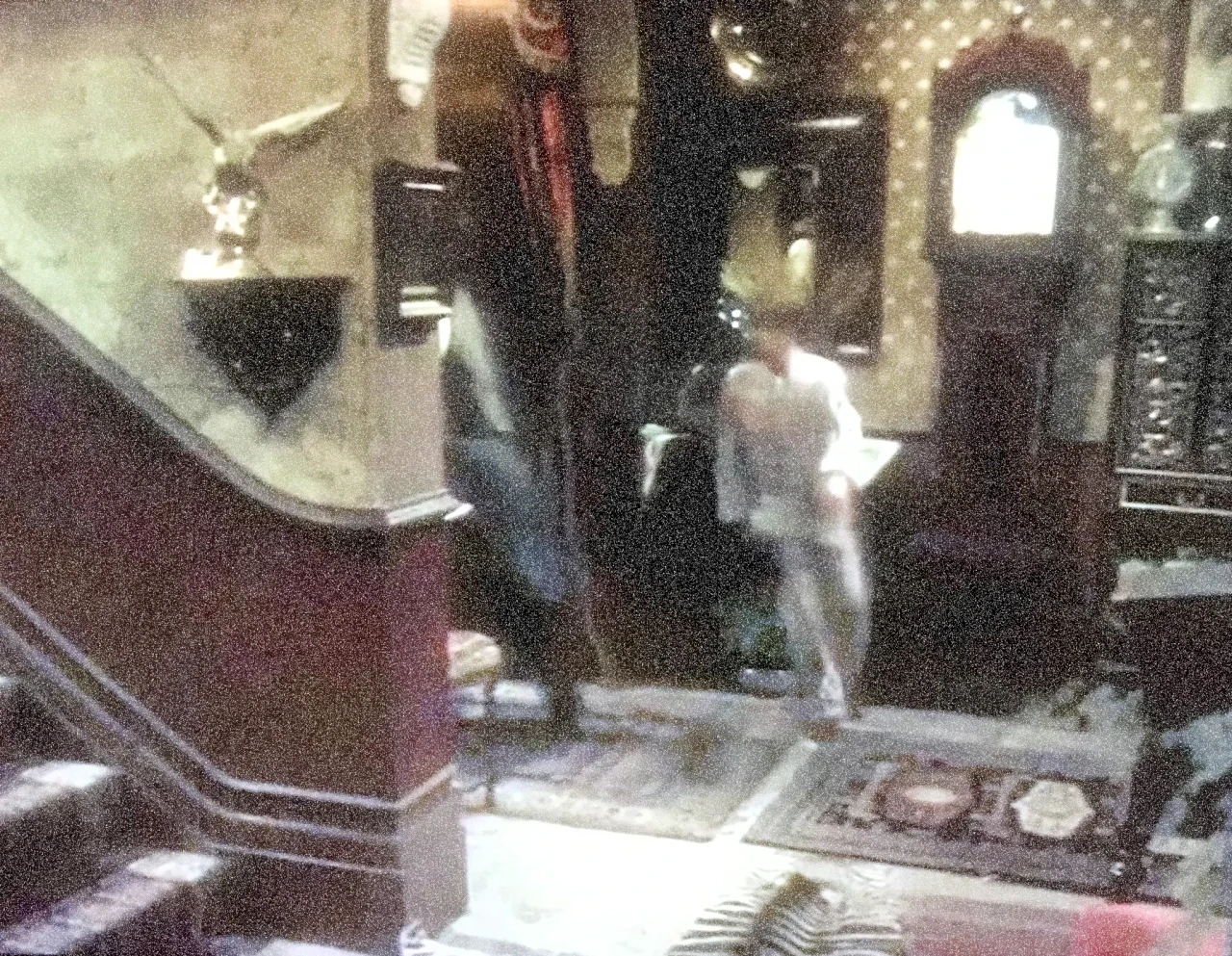
Why we look to classics of midwinter literature in the dark months
One genre of children's literature is master of ceremonies at this time of year: those books we turn to in the hope they will throw wintry sunlight and lazy candle-flame on the mind. Christmas is traditionally a time for ghost stories, but these are not tales to chill or disturb, although a varying amount of potential peril is key.
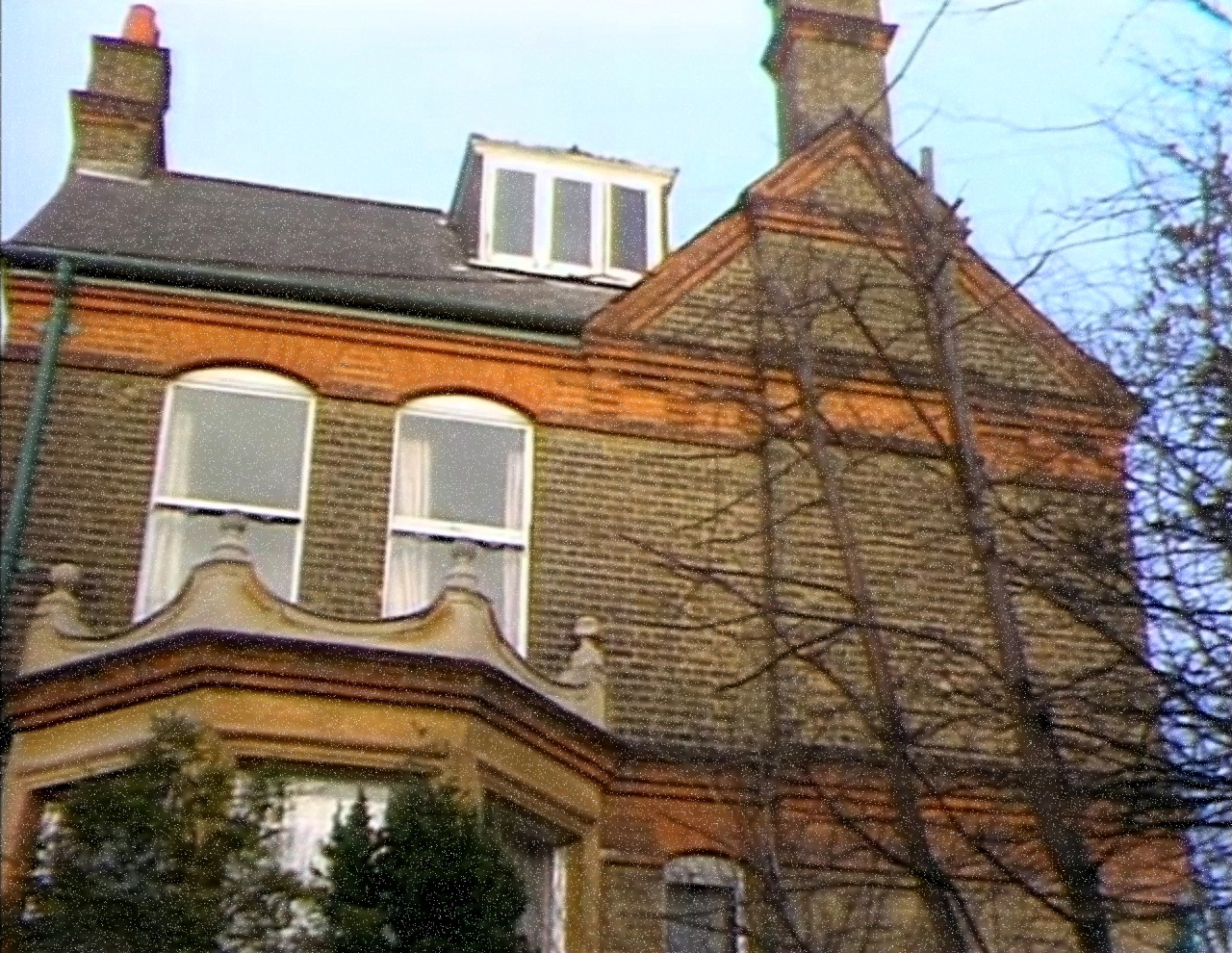
Midwinter reading and children's classics: four homes that house the veil between the past and the present
Four books and four houses: all involve travel into past centuries and immersion in history. They do so from a setting which represents 'home', albeit a temporary one: the protagonists are all visitors, but the issue of belonging is key.
Before exploring the themes in later posts I'm going to summarise the houses which are featured, and how they might affect the authors' treatment of 'time that has passed'. The illustrations are from the TV adaptations from 1978-1989, except for Green Knowe, which is from Lucy Boston's book Memories.
All the books feature yule celebrations or midwinter scenes.
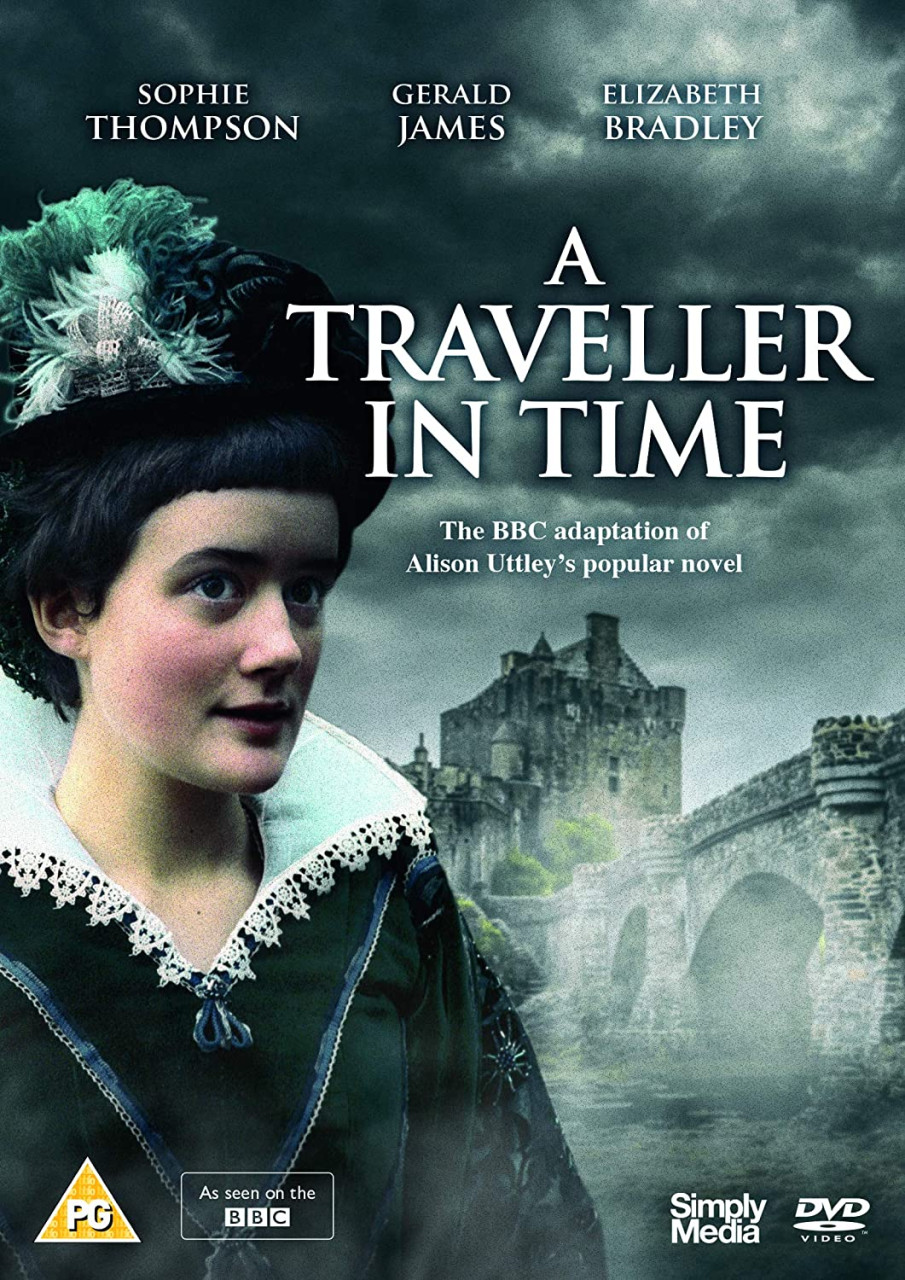

Alison Uttley's 1938 novel 'A Traveller in Time', adapted for TV in 1978 by Diana De Vere Cole and directed by Dorothea Brooking
This adaptation brought the setting into the present day: Diana De Vere Cole did a neat job, focusing on Penelope's emotions as she slips in and out of a Tudor world (cutting out the brother and sister detaches her from a peer group, isolating her further in 'real' life, which heightens the sense of disorientation); retaining Alison Uttley's inheritance of deep traditions of rural domesticity; and letting the obvious dramatic irony heighten the air of doom around the Babington family with their efforts to rescue Mary Queen of Scots.
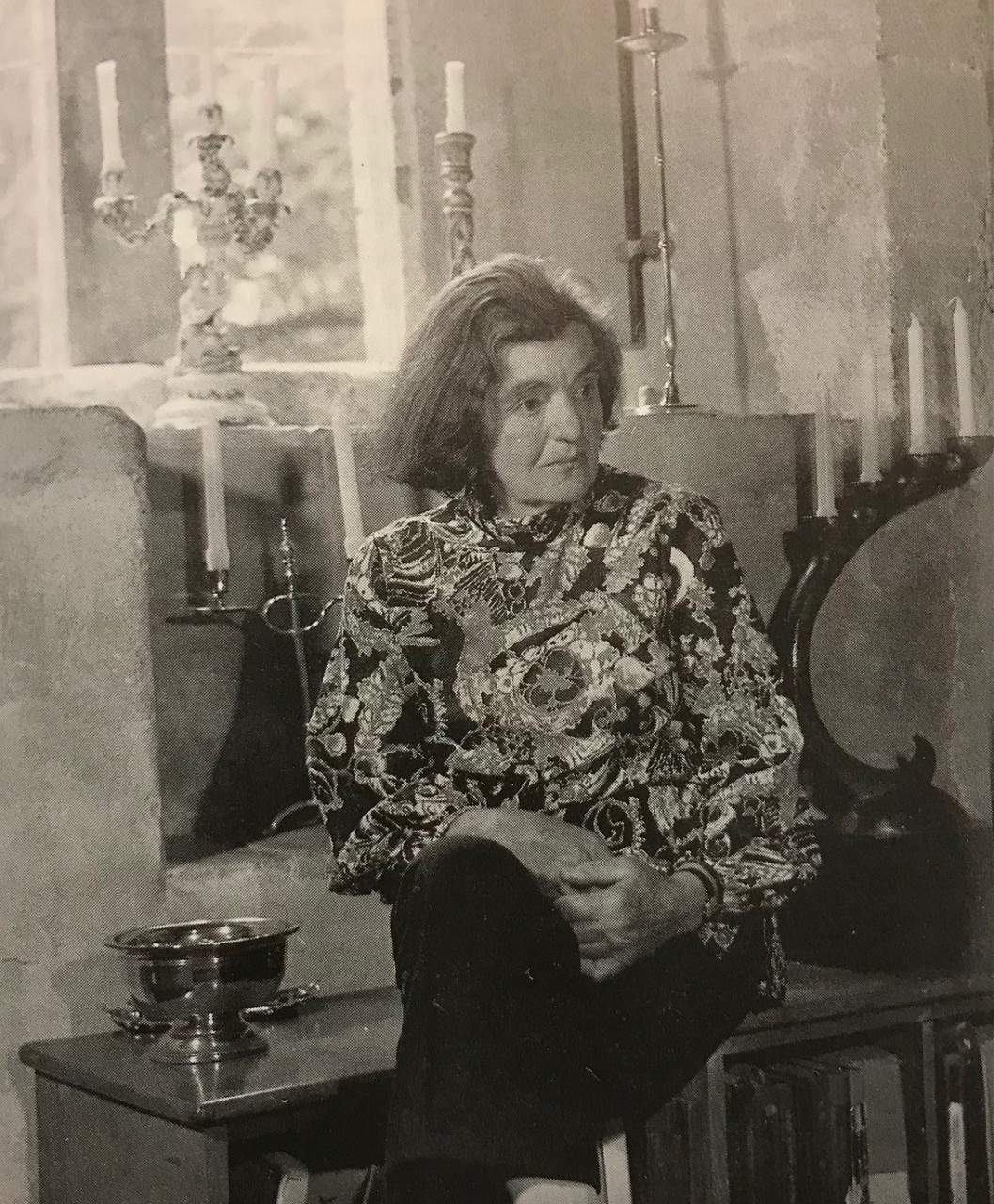
"It should go on the bookshelf alongside The Wind in the Willows."
Contemporary review of The Children of Green Knowe, Times Literary Supplement

The Children of Green Knowe features a series of tableaux, three key points in the lives of the children of a 17th century family: Toby, Alexander and Linnet. As the stories unfold, a lonely boy and elderly woman encounter their spirits in the present day, gentle ripples disturbing everyday life in the manner of an M R James story.
I was still very young when I discovered Green Knowe via the TV series from 1986, but it made a deep impression by bringing together things I loved: an ancient house full of stories, the 17th century, an undefined gothic presence neither real or imagined, a fireplace shedding amber light, all set for making toast, drinking tea and hearing about was and what might have been.
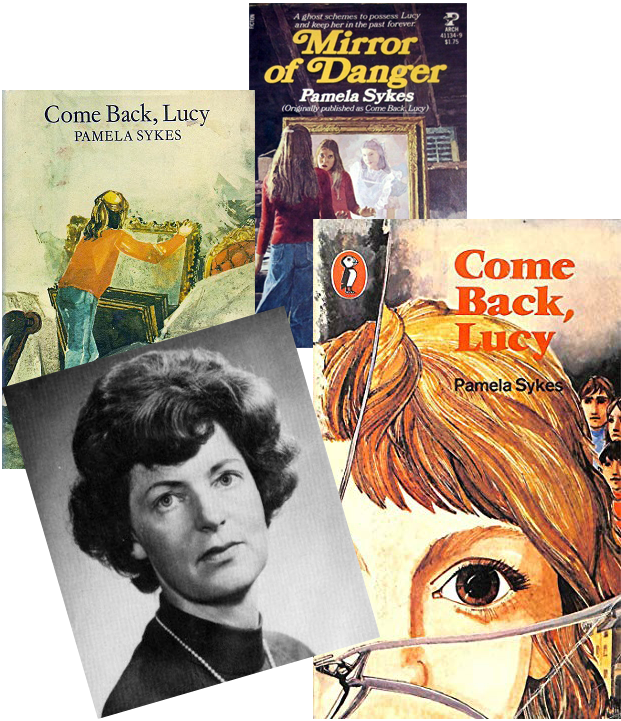
- First published in the UK 1973, and in the US as Mirror of Danger
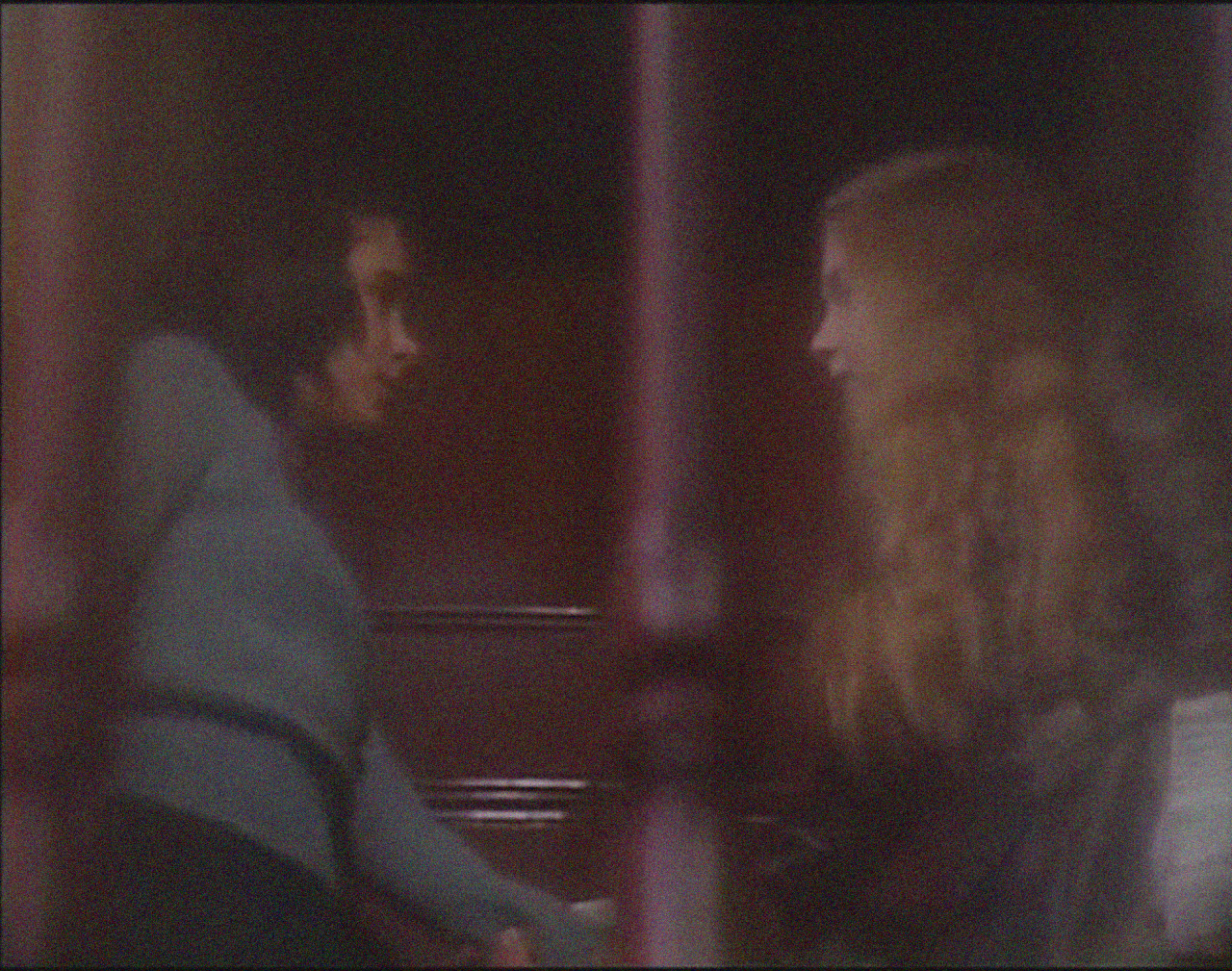
- Adapted for ITV television in 1978 by Gail Renard and Colin Shindler, directed by Paul Harrison