Come Back, Lucy: Pamela Sykes’ forgotten classic
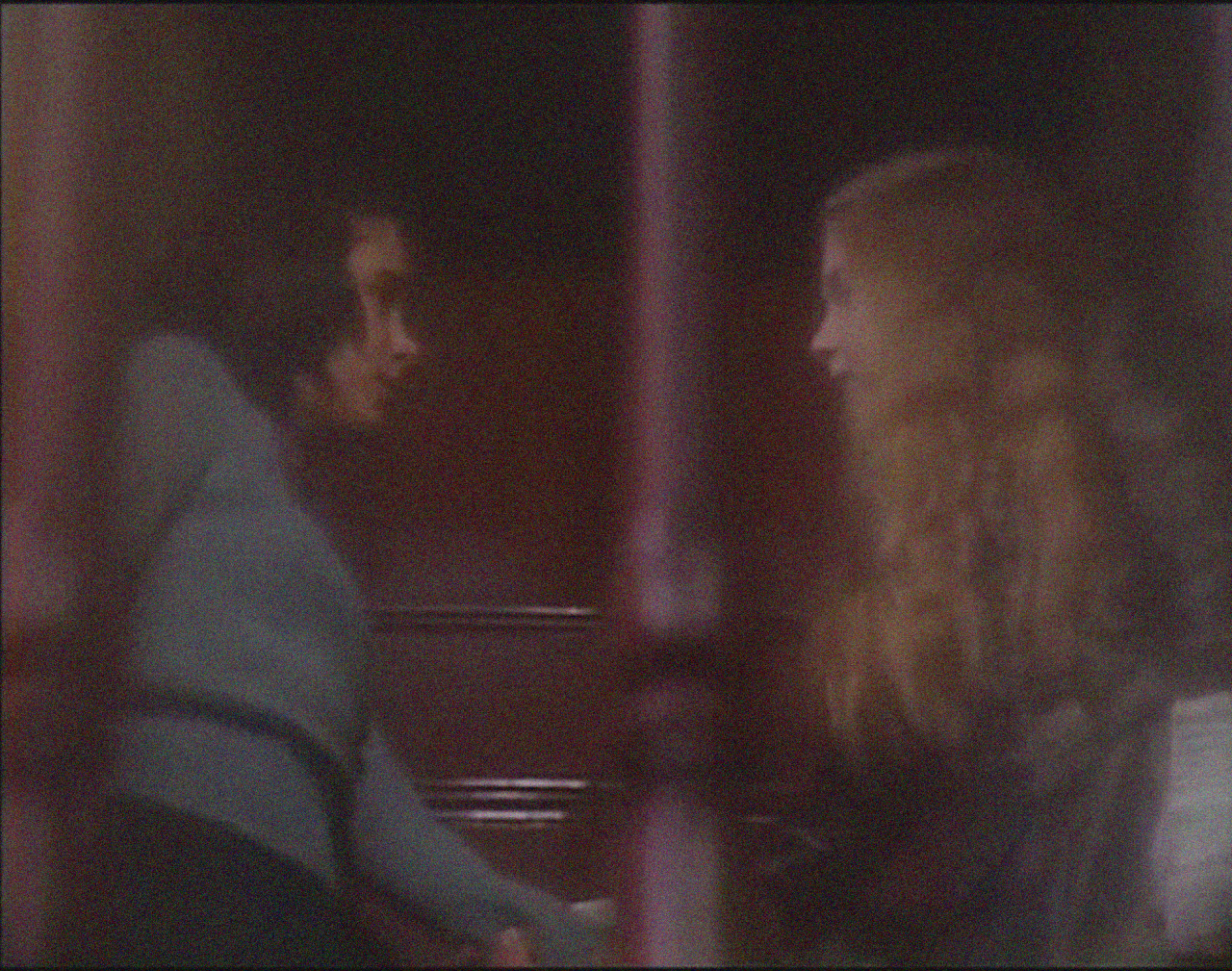
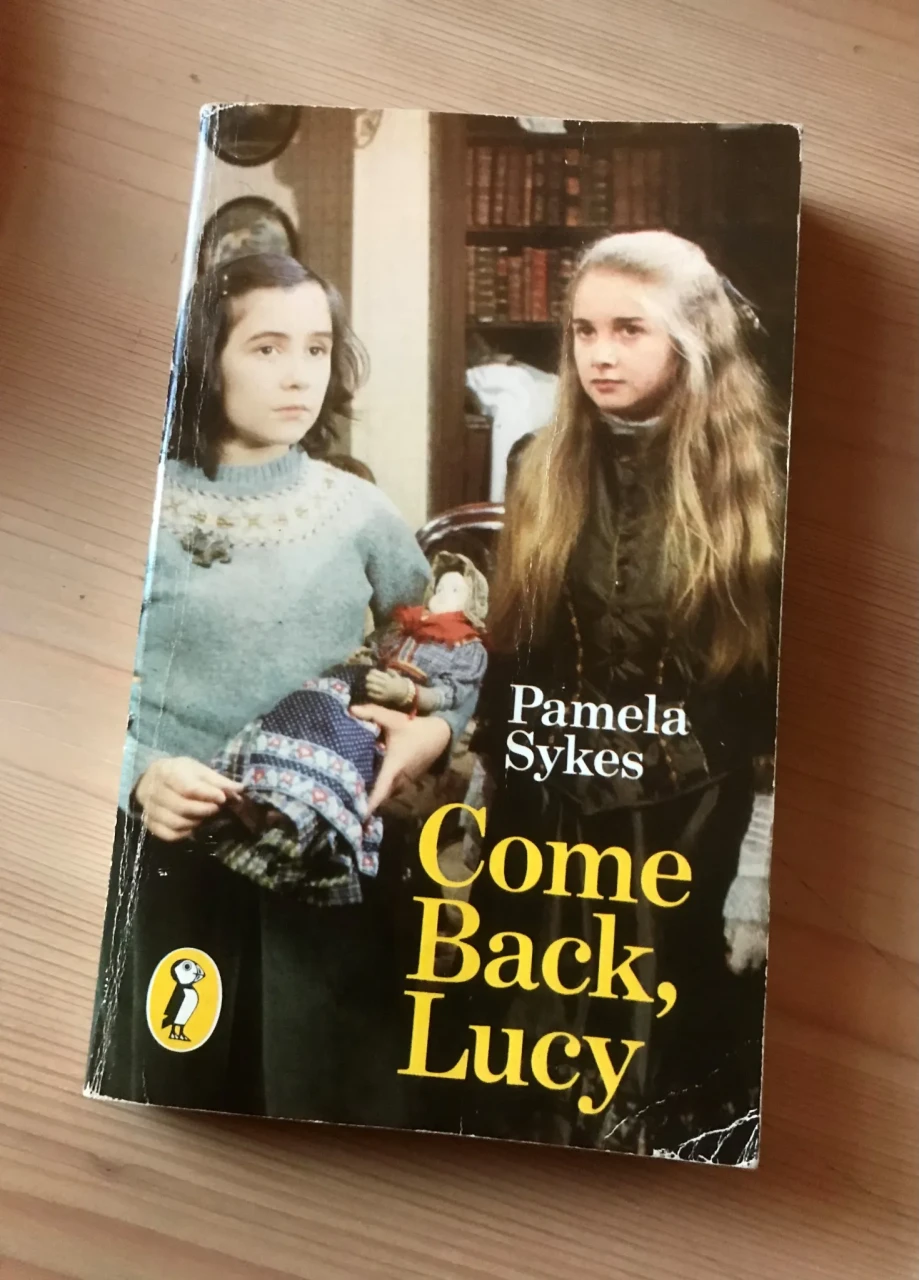
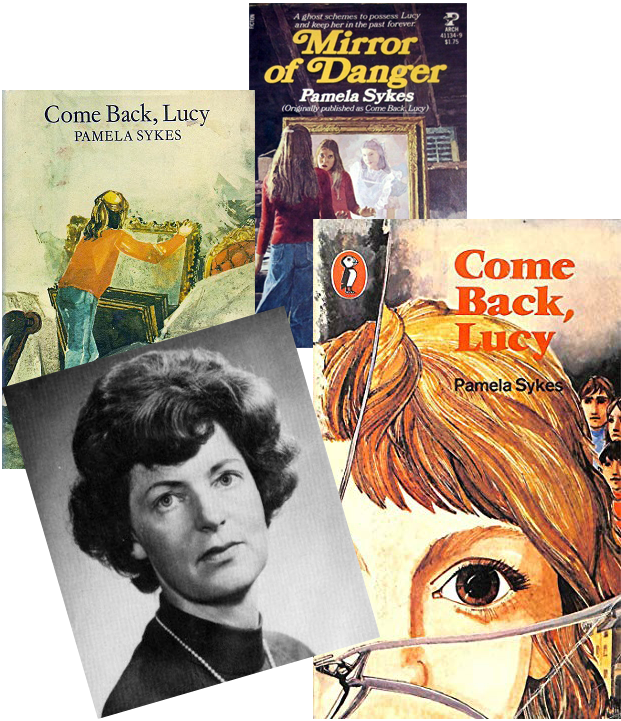
- First published in the UK 1973, and in the US as Mirror of Danger
- Adapted for ITV television in 1978 by Gail Renard and Colin Shindler, directed by Paul Harrison
Both Come Back, Lucy and Tom's Midnight Garden use houses to represent modernisation or obliteration of the past, and both feature a grandmotherly figure. These characters have a familiar function that fits a standard trope: gentleness, order, routine. A 'grandmother' in these cases represents a calm space, the one who will listen when parental figures are rattled and who pass on a picture of life in a past that is fascinating in its noticeable, physical difference. Here, the stuff of everyday life can wear gently and comfortably and be respected for it, not constantly replenished, renewed or hidden once age settles in.
Aunt Olive has been such a figure to Lucy, having brought her up as an orphan, but with the ways and routines of the turn of the century.
Come Back, Lucy belongs to a familiar genre in children's literature where the lead character is removed to a new environment, separated from family temporarily or permanently, somehow adrift. New-found independence is then tested when the familiar world is set askew by the supernatural, myth or superstition.
It would seem writers also use this genre (particularly time travel) as a device to articulate an older person's sense of alienation from the present, using a young person to demonstrate it. They create a retreat into a distant past which is effectively a grandmother's childhood (we see this in Phillipa Pearce's Tom's Midnight Garden and Alison Uttley's A Traveller in Time).
Fish out of waterLucy has been raised with a mindset from a fast fading world. When Aunt Olive dies, she is sent to live with distant cousins. Her present day peers are contemporary, confident and without boundaries, invading Lucy's reflective and reserved nature.
To bring her back to a sense of self, Pamela Sykes creates an ideal peer in the form of a ghost. Alice replaces Aunt Olive – at last, a companion of similar age – but this compatibility can only really exist in a Victorian past that reflects the aunt's legacy to Lucy: alienation from her own place in time.
Duality like this had been explored earlier in Penelope Farmer's Charlotte Sometimes (1968).
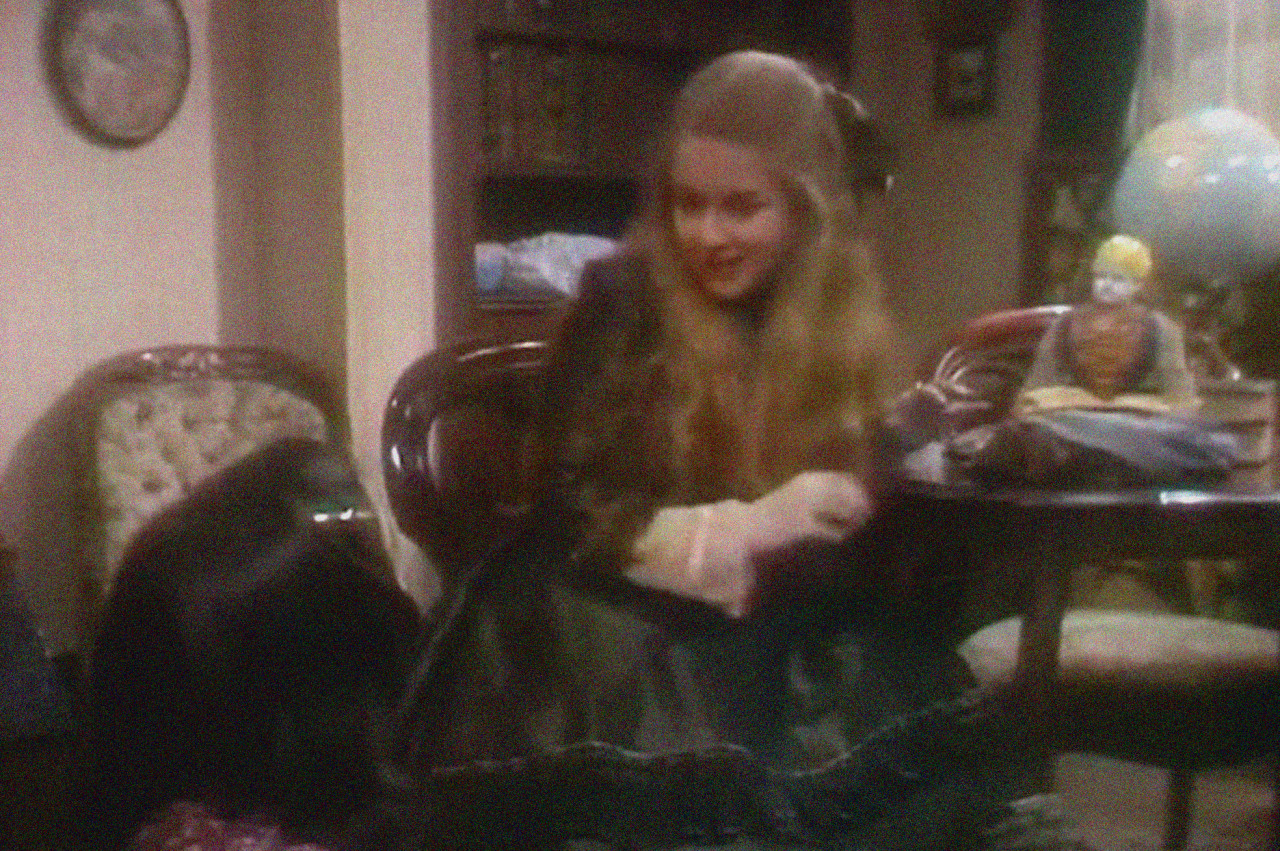
To her new cousins Lucy is cold, judgemental and visibly horrified by a modern household of the 1970s. Gwen, the mother, is a powerhouse of progressive energy, keen to educate Lucy away from her immediate attraction to a domestic sphere of cake-making and ironing. Her children are shambolic and irreverent with their parents and each other, held together by affection and a high regard for ethics. Uncle Peter modernises old houses.
Characteristically, Lucy particularly treasures some game counters made from mother of pearl, a memento of her guardian and a link with her past, but she's loath to bring such fragile things into her new, alien world and her cousin Rachel's scrutiny. The rocking horse, the clothes in the trunk, the huge oval mirrors are Victorian relics swept away from 1973 and chased by Uncle Peter into the attic ready for annihilation.
Against this alarming backdrop (through Lucy's eyes) time travel is an alluring retreat from modernity, an escape from the contemporary world. However, Pamela Sykes uses this device to tackle the danger of retreat into the past, where it has a tenacious and suffocating hold.
Fading summersLucy sets up her defences against 1973 and is eager to accept forays into Alice's world. There, in the nineteeth century, she finds 'everything as it should be' and 'just like Aunt Olive would like it'. However, the administered comforts and oppressive, cocoon-like interiors bring shades of darkness that don't really synch with Lucy's recollections of her aunt:
"She had thought herself back to an evening in the summer when she and Aunt Olive had played croquet… late orange sunlight, filled with birdsong, lit the crimson antirrhinums and drew long shadows across the neat lawn."
"Together they studied the faded brown photographs of young gentlemen escorting young ladies in long tight uncomfortable dresses, as they picnicked by the river… or merely sat about stiffly in drawing rooms."
Yet Alice's world is a refuge for grieving, away from the brash and easy engagement of 1973. When her cousins are wigging out to glam rock in flared jeans at their Christmas party, Lucy's panicked discomfort leads her to another timeslip into the Victorian past. Gentle carolling in the snow and festive parlour games bring comfort, but Alice is becoming increasingly possessive and controlling: she wants Lucy to stay. (Of course, she has to be named for Alice in Wonderland – 'Mirror of Danger', the book's US title, reflects Through the Looking Glass).
Alice Sometimes
To an extent Alice is the face in the mirror held up to scrutiny: Lucy's Victorian, haughty disapproval made grotesque in Alice's entitlement and disregarding privilege. Yet Lucy's legacy from her aunt is a love of gentle ways and pastimes, reserve, and time-worn things. Torn between grief in an uncompromising present and the clutching, pulling of the claustrophobic past, she is suspended in time.
This dislocation makes Alice's compulsion for Lucy to remain in the past represent something much darker, that Lucy might do herself real harm. Complying with Alice's wishes to turn her back on the present is the equivalent of extinction in the present, the crisis in Lucy's grieving coming when she hovers by the icy lake.
Pamela Sykes handles all this with great subtlety, neither heavy-handed or didactic. Yes, Lucy has to recognise the threat and bring herself back to the present, but far from being a freakish antiquity who is cured, the Lucy who emerges brings her 'old fashioned-ness' with her, tempered by the reality of her experiences.
The haunted TV
There were some hauntingly unsettling touches in the TV adaptation: the opening titles echo the infamous horror of the faceless apparition in the same year's Armchair Thriller TV adaptation of Antonia Fraser's Quiet as a Nun; the dread vibe of The Amazing Mr Blunden; The Railway Children with bad spirit. It also has the most beautiful and haunting theme tune, all harpsichord and flute, just a touch of a big screen musical motif from The Exorcist or The Omen.
Of course, this is a TV production from 1978, but as a drama of the time it has really aged rather well, due to the astute and intelligent actors playing the mirror twins.
Bernadette Windsor would have been at home in any BBC Ghost Story for Christmas, though has much more to work with here, capriciously sinister, and uncanny in whatever intuition found her Victorian 'presence' for Alice. Emma Barkhle demonstrates great diligence in echoing a grandmother whose sensibilities are heartbroken by time's changes, layering this into a really sensitive portrait of a troubled and grieving girl torn between worlds.
With the addition of Phyllida Law's progressive and caring aunt, Come Back, Lucy becomes one of the era's most effective children's dramas, capturing a specific cultural point in time, and an eery, hauntological example of the intelligent kind of TV drama some of us were lucky to be raised on. (It was nominated in 1979's BAFTA TV awards and led to similar series such as The Haunting of Cassie Palmer and Echoes of Louisa.) The Puffin edition says 'girls especially will enjoy this sensitive and highly readable story' but I can report this boy and many others were definitely drawn in and decidedly unnerved too.
"There's no such word as can't. Step onto the ice…"
Update: Come Back, Lucy was released on DVD by Network in October 2022 in the UK.
Again, if anyone has memories or information to share, do please comment.
Comments