AI and creative writing

A creative writer draws on a unique set of experiences and responses to existence. Their imaginative and experimental approaches are original, shaped by their culture. When we write, this is what we share with the world.
AI LLMs (large language models), such as ChatGPT or Claude, can generate stories in the guise of creative writing. It's not unlike using a calculator, which provides answers without the mind fully engaging in the thinking and reasoning processes that develop, strengthen, and maintain maths skills.
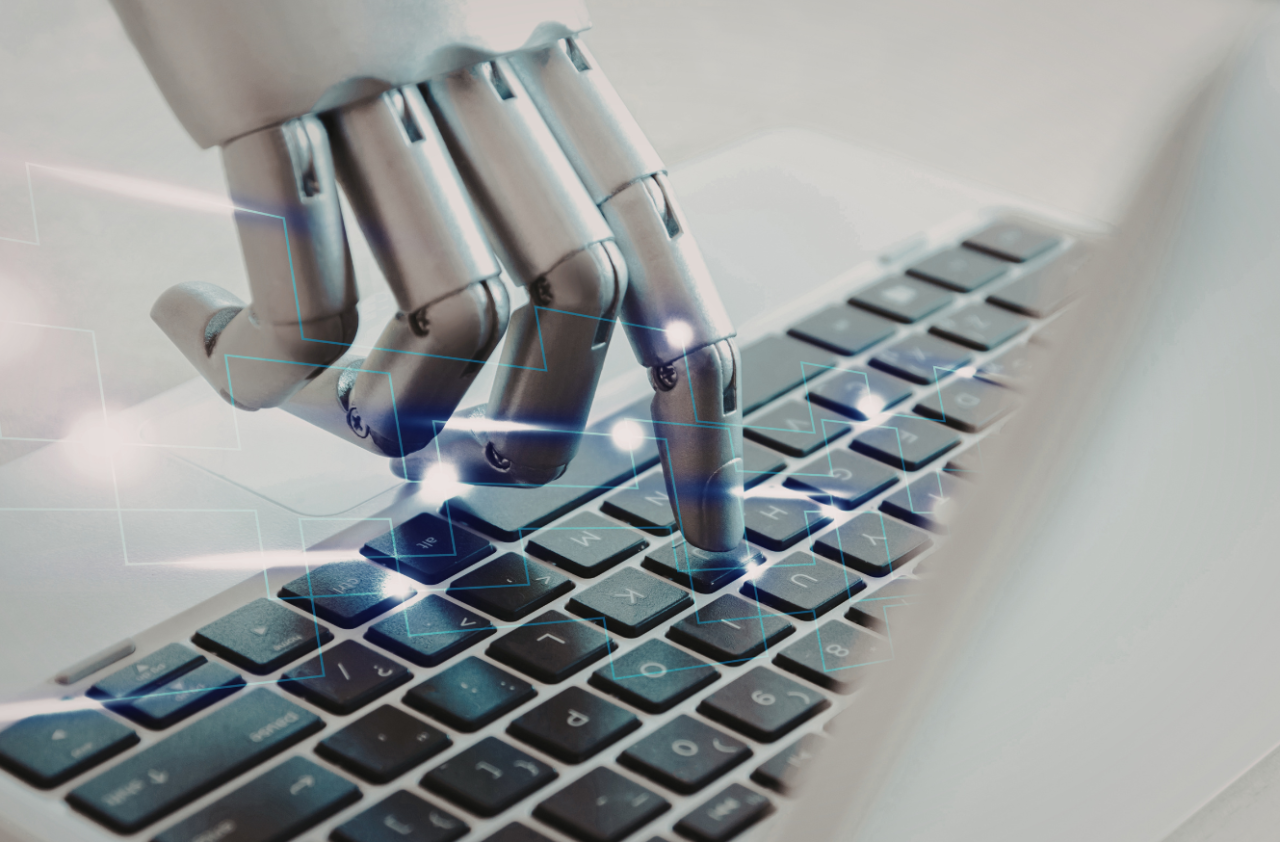
Stories produced by AI often regurgitate familiar patterns, tropes, and clichés drawn from training data. This creates a homogenised storytelling experience, derived from existing works and resulting in predictable, repetitive narratives.
AI may replicate a plausible perspective and emotional depth, but these have not been lived. It cannot fully reflect states of mind with nuance or effectively calibrate tension, pacing, and tone.
The publishing industry is still adapting to the impact of AI and LLMs. Transparency in the use of AI is essential. In the fiction industry, particularly among agents, there are moves towards an outright ban; publishers address AI-generated content in contracts or are adapting originality clauses.
There has been considerable media discussion about writers losing publishing deals due to suspected AI use. The legal position regarding books created by LLMs—especially those that may contain material derived from other writers—remains unclear.
An industry standard may emerge with efforts to verify that manuscripts are not AI-generated. The Society of Authors' 'human-authored' scheme is one such initiative.
Online selling platforms are saturated with manuscripts that have not undergone proper editorial processes; AI-generated books of this kind are often referred to as 'slop'. At present, it is usually possible to distinguish between human- and machine-written work.
Editorial processes remain crucial for AI-assisted content, helping to restore originality, deepen emotional impact, refine voice, and introduce genuine human perspective rather than automated pattern replication.
Comments