A Mind for Magick – part 3: ‘A Traveller in Time’ on screen
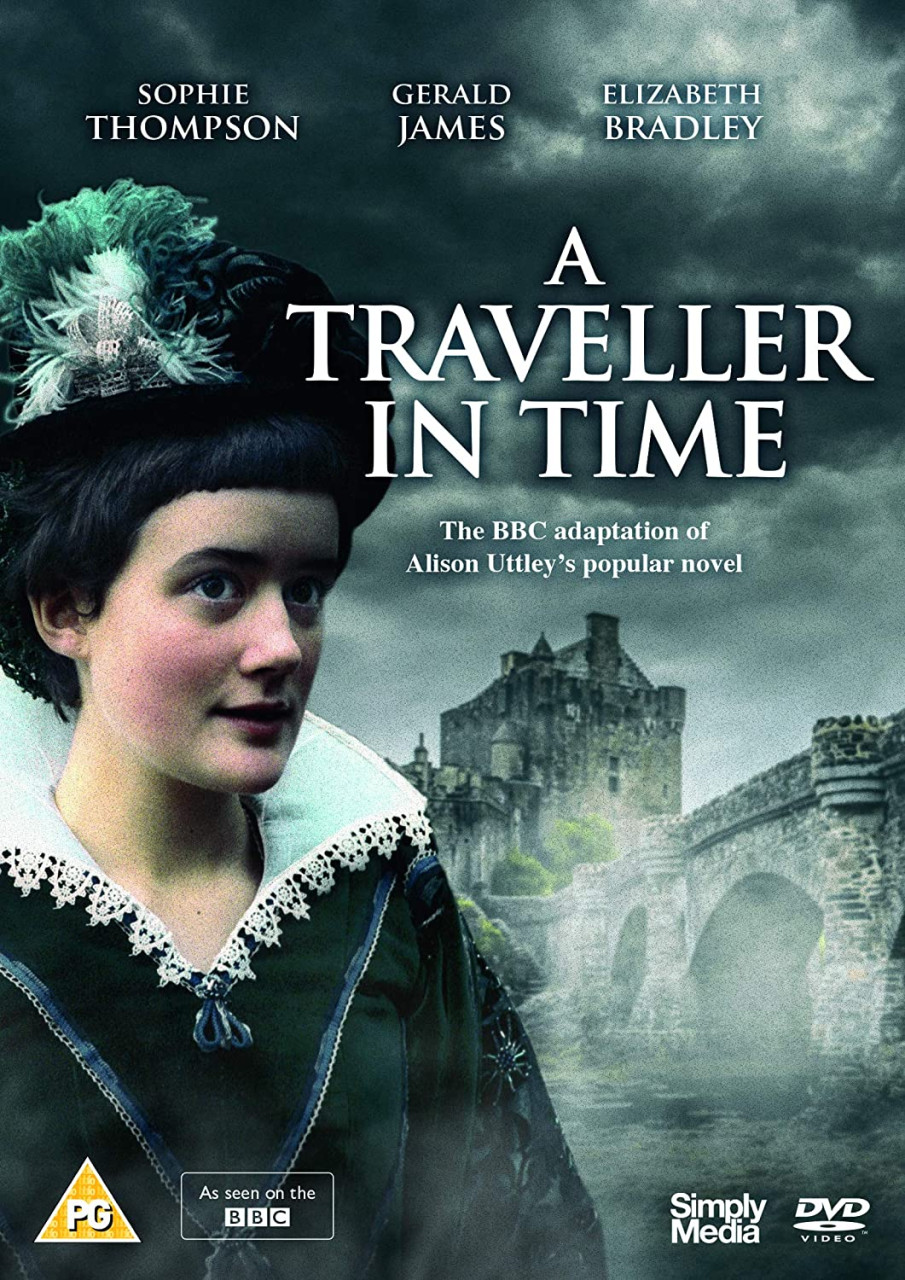
Alison Uttley's 1938 novel 'A Traveller in Time', adapted for TV in 1978 by Diana De Vere Cole and directed by Dorothea Brooking
This adaptation brought the setting into the present day: Diana De Vere Cole did a neat job, focusing on Penelope's emotions as she slips in and out of a Tudor world (cutting out the brother and sister detaches her from a peer group, isolating her further in 'real' life, which heightens the sense of disorientation); retaining Alison Uttley's inheritance of deep traditions of rural domesticity; and letting the obvious dramatic irony heighten the air of doom around the Babington family with their efforts to rescue Mary Queen of Scots.
It also records the timeless Derbyshire farm-scape which Uttley loved and honoured in her nature writing. The non-studio scenes at Thackers are a natural, unposed time-capsule of a farmhouse that hasn't changed use for centuries, yet to be curated or restored, the detritus of generations clinging to its walls. And this isn't just good location scouting – A Traveller in Time was filmed at the actual scene of the Babington plot, in the same building, at the same church in which the family worshipped.
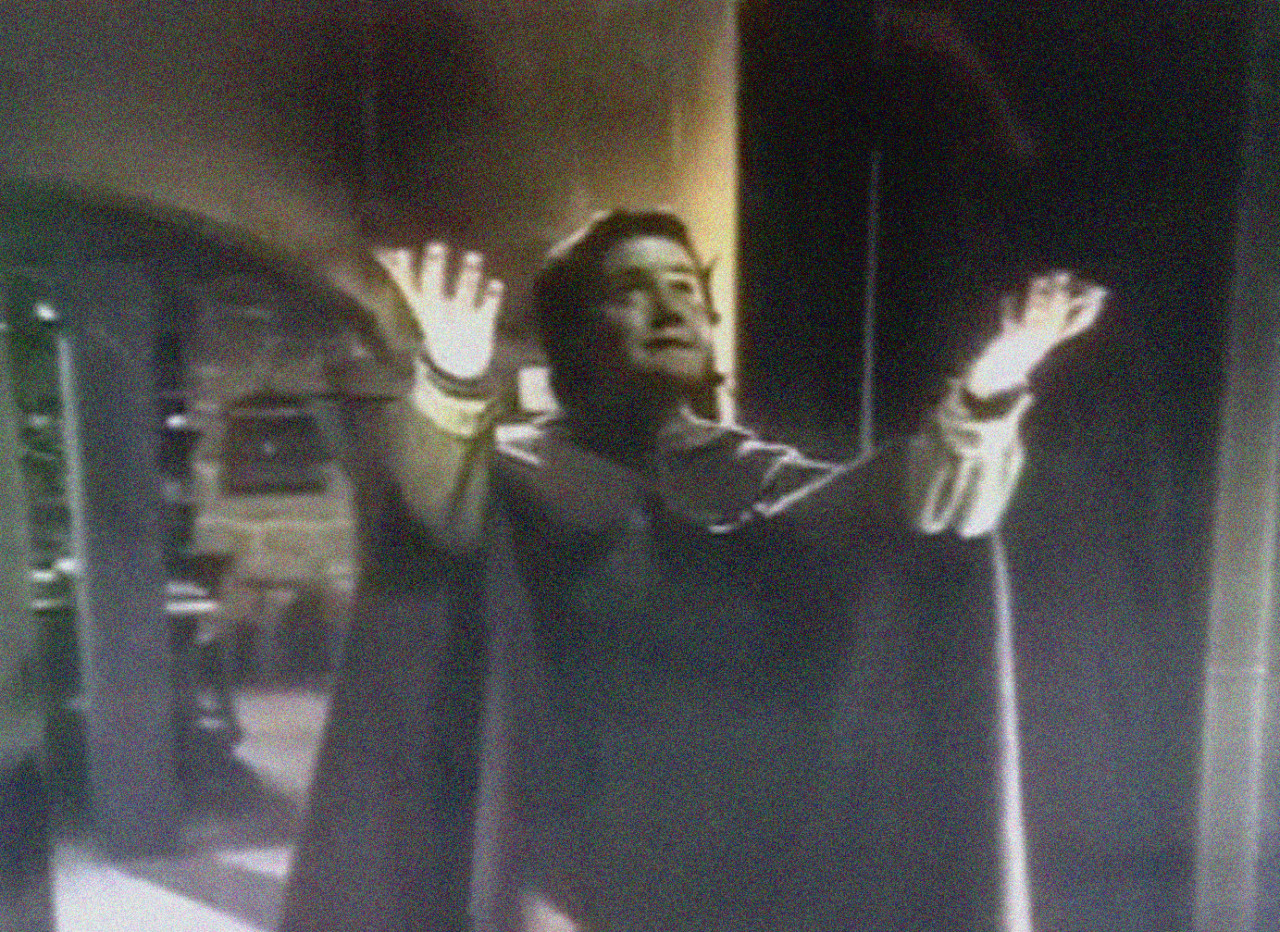
The studio-bound scenes do less well, as does a tendency of the Tudor characters to audition for the RSC with varying results. There's a poignancy to this as a reflection of a different time and its clearly delineated hierarchy of perceived dramatic worth. Yet Simon Gipps-Kent manages to recreate the familiar 'unknown young gentleman' of many an Elizabethan portrait miniature, appropriately mannered and earnest. An actor who appeared in many dramas like this at the time, he didn't make it to the age of 30, which adds an unsettling dimension to his ghostly Greensleeves vocal when Penelope has to leave the past behind.
Elizabeth Bradley (later a Coronation Street stalwart as Maud Grimes) links past and present as Aunt Tissie with an expert hand. Clearly she knew the North and instinctively balances directness with warmth, and hews her Tudor ancestor just a little more roughly. You can see an immediate affinity with her niece Penelope (and I assume between actresses) which effectively carries the series between the time zones where less attuned performers would struggle.
Sophie Thompson's empathy for the lead character Penelope really does shine. In one scene she has to wander the ruined castle that once acted as the Scottish queen's prison: she's like a young Tracey Thorn in an Everything But the Girl video, emoting indie melancholy in her anorak.
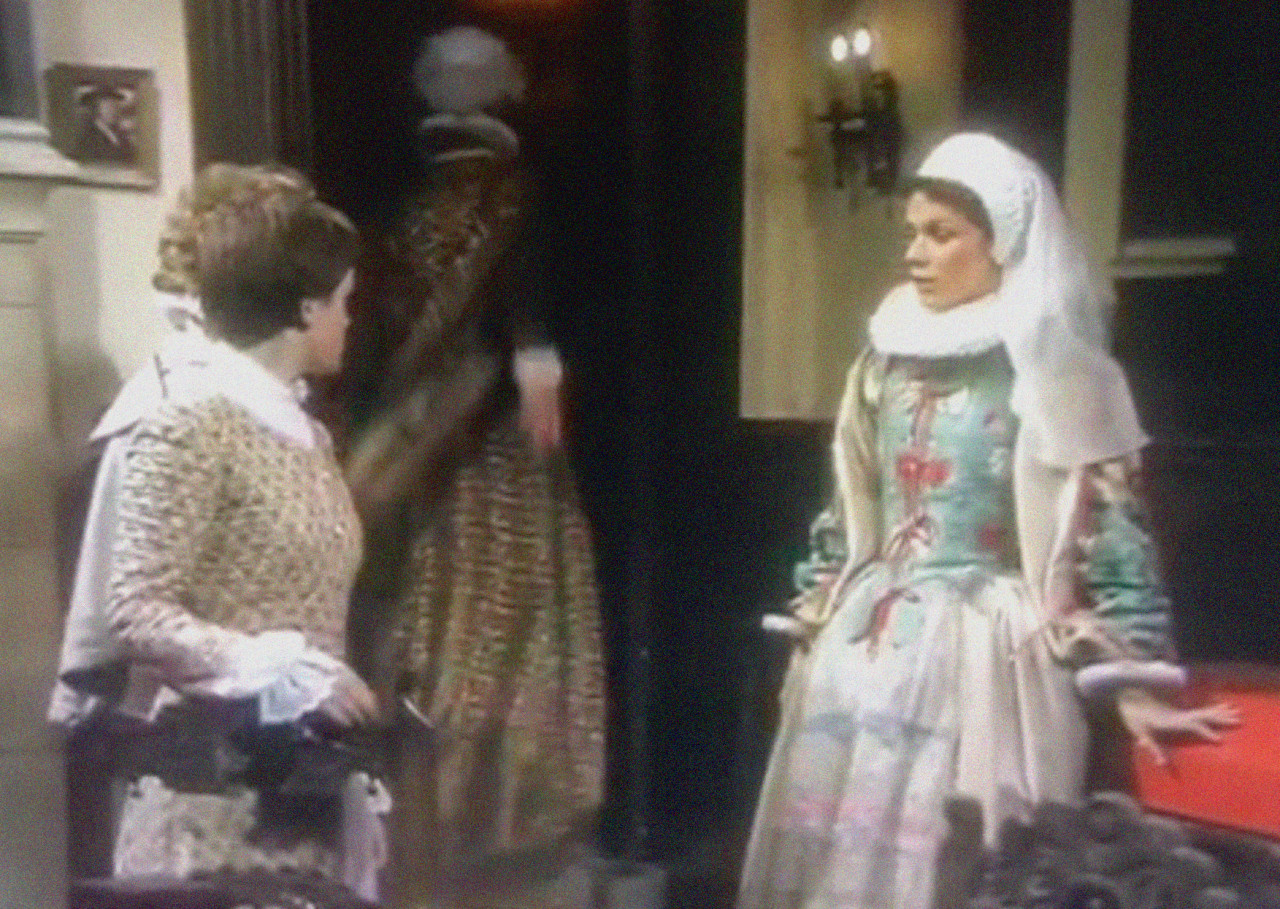
There's another where she has to sing 'The Holly and the Ivy' while suspicious Tudor cousin Arabella is asked to accompany her on a harpsichord. Rather like her humiliated character in the 1996 film of Jane Austen's Emma, in just a moment or two of screen time she encapsulates a whole movie about awkwardness, embarrassment and persecution before we realise Arabella has stopped playing and is storming off in a petulant storm of jealousy. It's everyone's bad Christmas in a nutshell.
"And there I was thinking, we've got the dinner out of the way, it will all go smoothly, she won't kick off now…"
A Traveller in Time requires a little forgiveness from the viewer in places, but this is part of its charm. To compensate there are some lovely moments (Michele Copsey as Arabella does a wonderful turn with a wax doll and a needle) and you can't really fault its key players.
There are memories which stayed with contemporary viewers at the time: Penelope's distress at being given a last link to the past as she has to leave Thackers, the locket in the church, and indeed her 1970s nylon dressing gown which, if one has to be transported to the 1580s, makes quite a passable Tudor kirtle (I'm sure this unique selling point was overlooked by nightwear manufacturers at the time).
A sort of hokey re-hash of 'Tudoralia' was consistent in the twentieth century, so at the time of broadcast viewers would know the tune of Greensleeves as a rather hackneyed period shorthand, as they would a lot of thee-ing and thou-ing in the script, but which today seems more like a feel for the past as a different country.
Director Dorothea Brooking was a key and influential player in children's television for decades. Her Guardian obituary (3/05/99) writes that she 'loved actors and they loved her', citing an article from The Times in 1975 which said:
'One recognises in Dorothea that same, sometimes devastating directness one finds in children, and the same contemptuous rejection of the sham and the pretentious, and one would guess, the same vulnerability.'
I think this goes some way to explaining why the adaptation works in the way it does. It is of its time production-wise, but adds further dimensions to the book through authentic settings and Sophie Thompson's intelligent and intuitive grasp of what it's all about.
The series is currently available on DVD.
If anyone has any thoughts or reminiscences, or indeed anyone can shed further light on the production, do leave a comment.
Comments